Christian Dior (1905-1957)
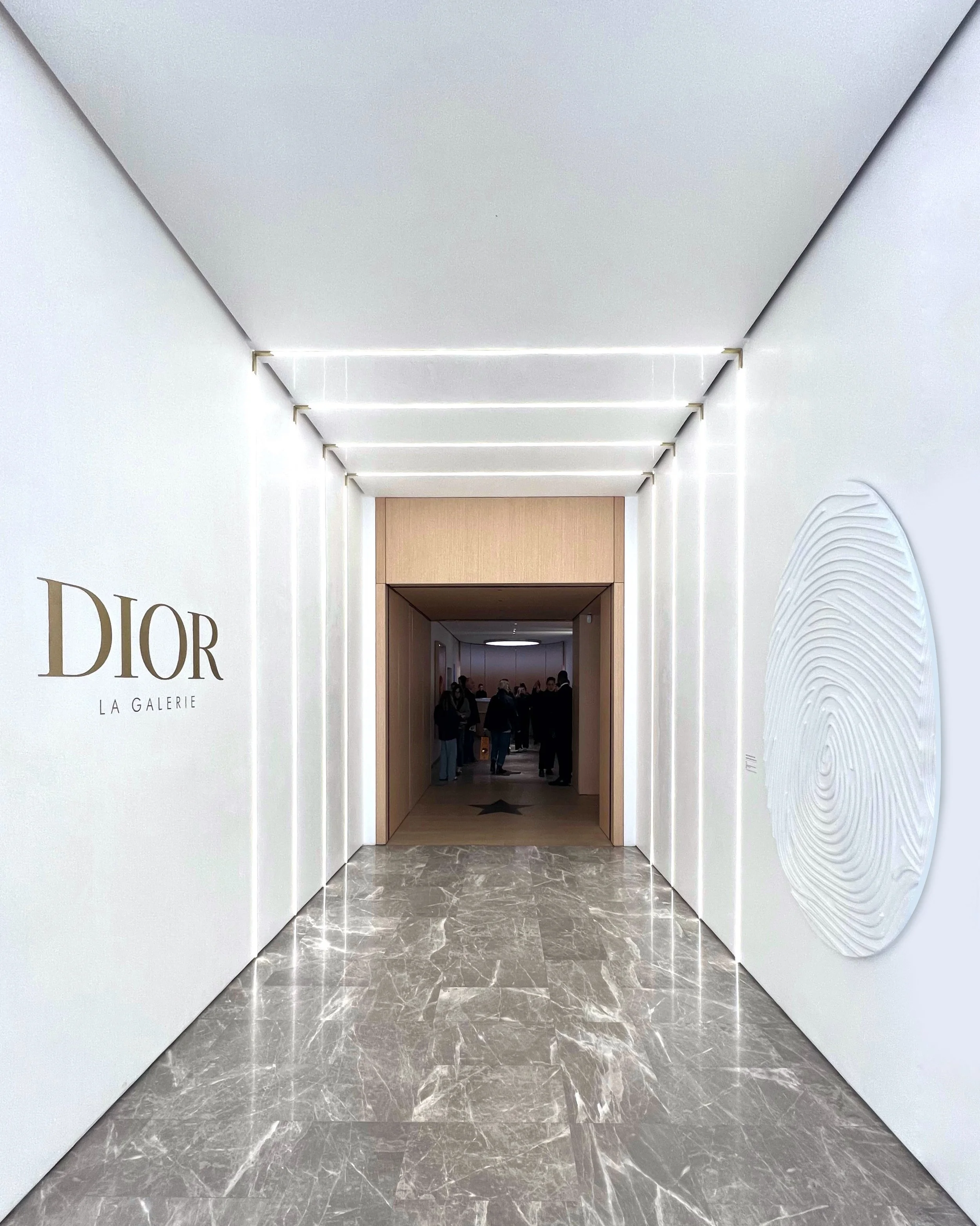
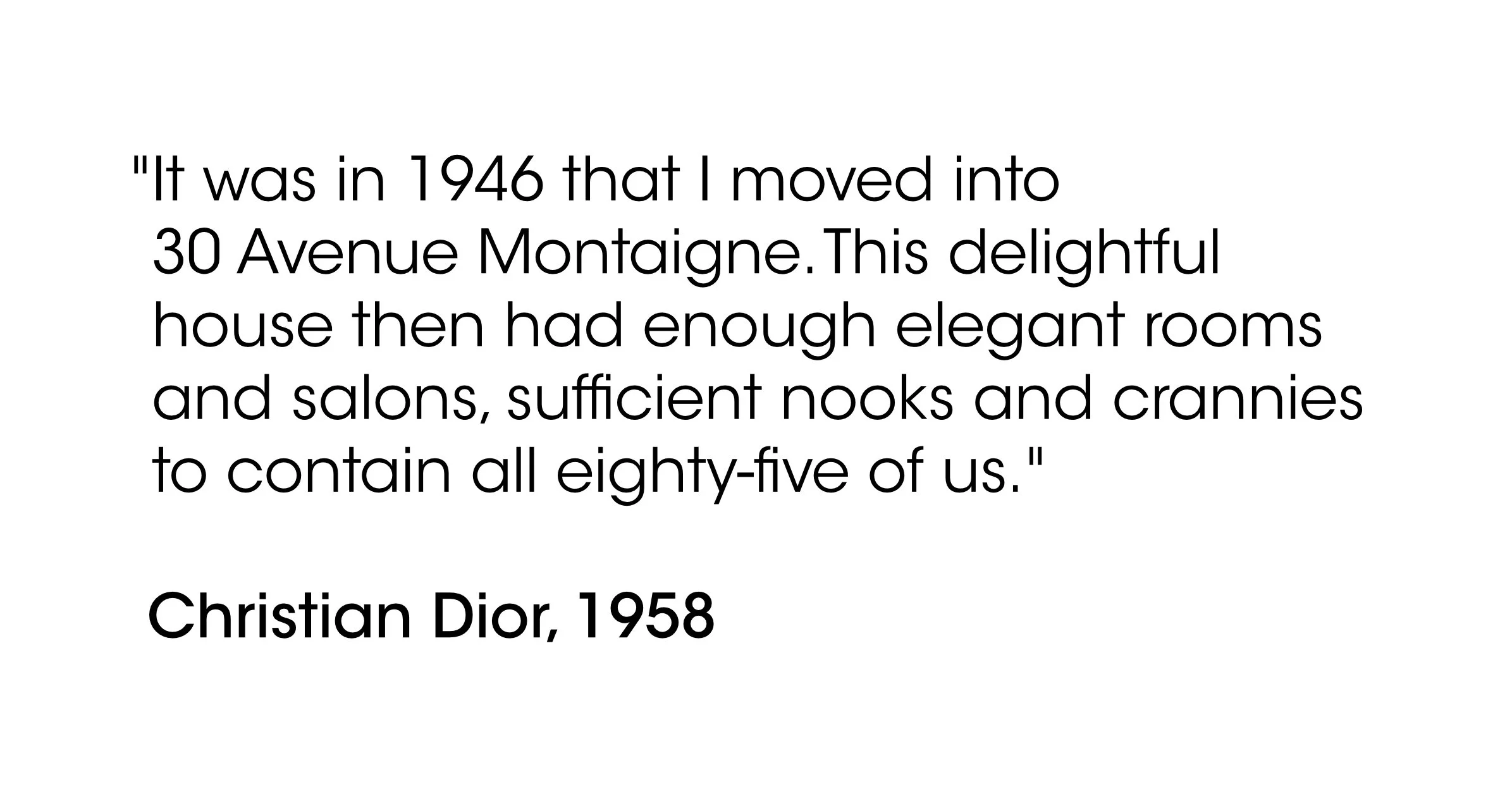
Our plan for the day was to visit the Dior Galerie, just off the Champs Élysée, and close to 30 Avenue Montaigne; the building Dior first bought to start his fashion house.
We hadn’t booked tickets, but the queue for non-ticket holders wasn’t too long, and took about 20 minutes for us. I’d probably advise booking tickets though, just in case we got lucky.
The entrance way is very dramatic, and leads to the lift. The third floor is where the exhibition starts.
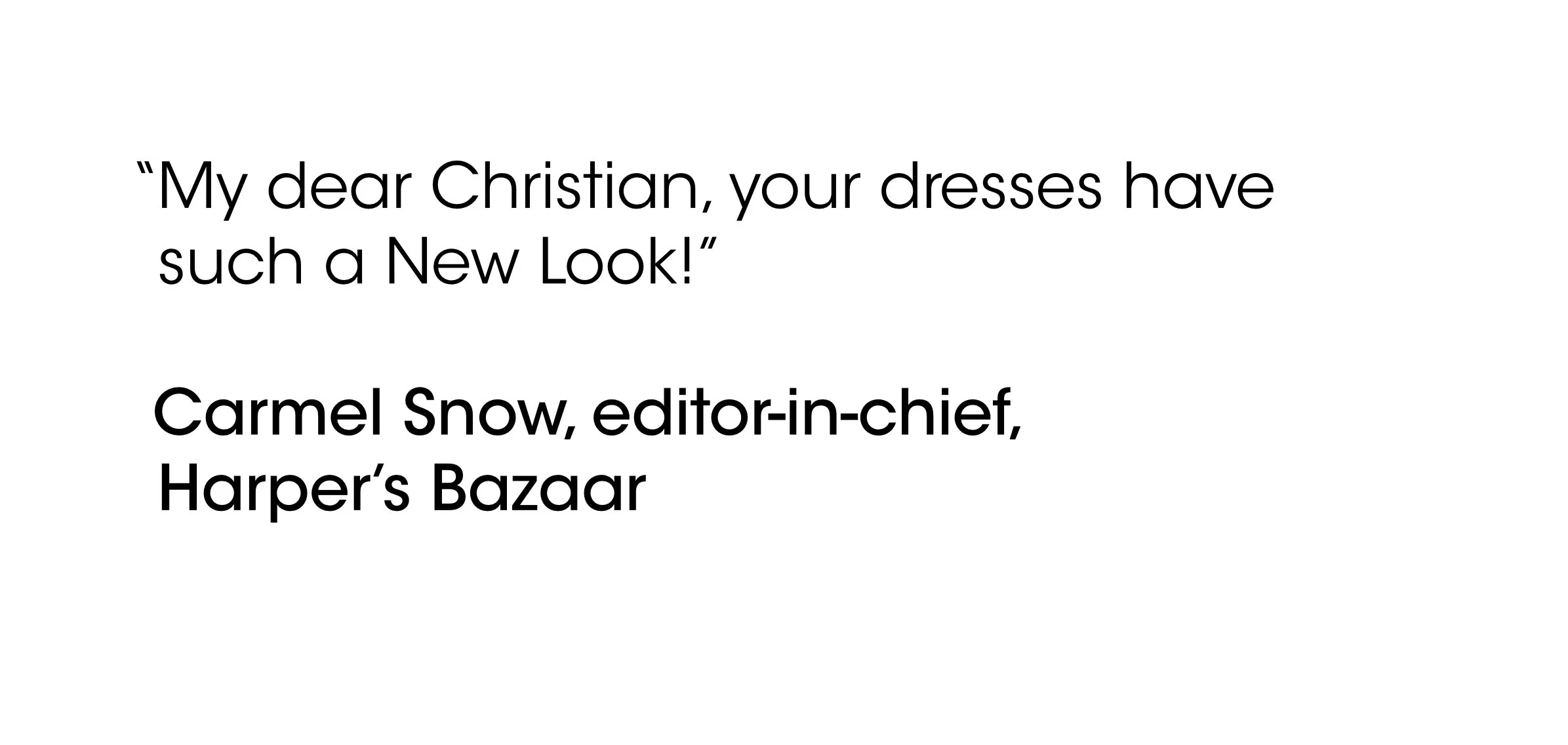
The exhibitions timeline begins just after the war. The first Christian Dior collection was launched in the Spring–Summer of 1947, from the salons of 30 Avenue Montaigne. Now two years after the end of WW2, he named the new lines ‘Corolle’, and they were pretty striking, with their feminine lines, fuller skirts and luxurious fabrics. He was leaving the restrictions of war fashion behind, and designing clothes with fuller skirts and longer lines, using more yardage of material. it instantly drew a response;
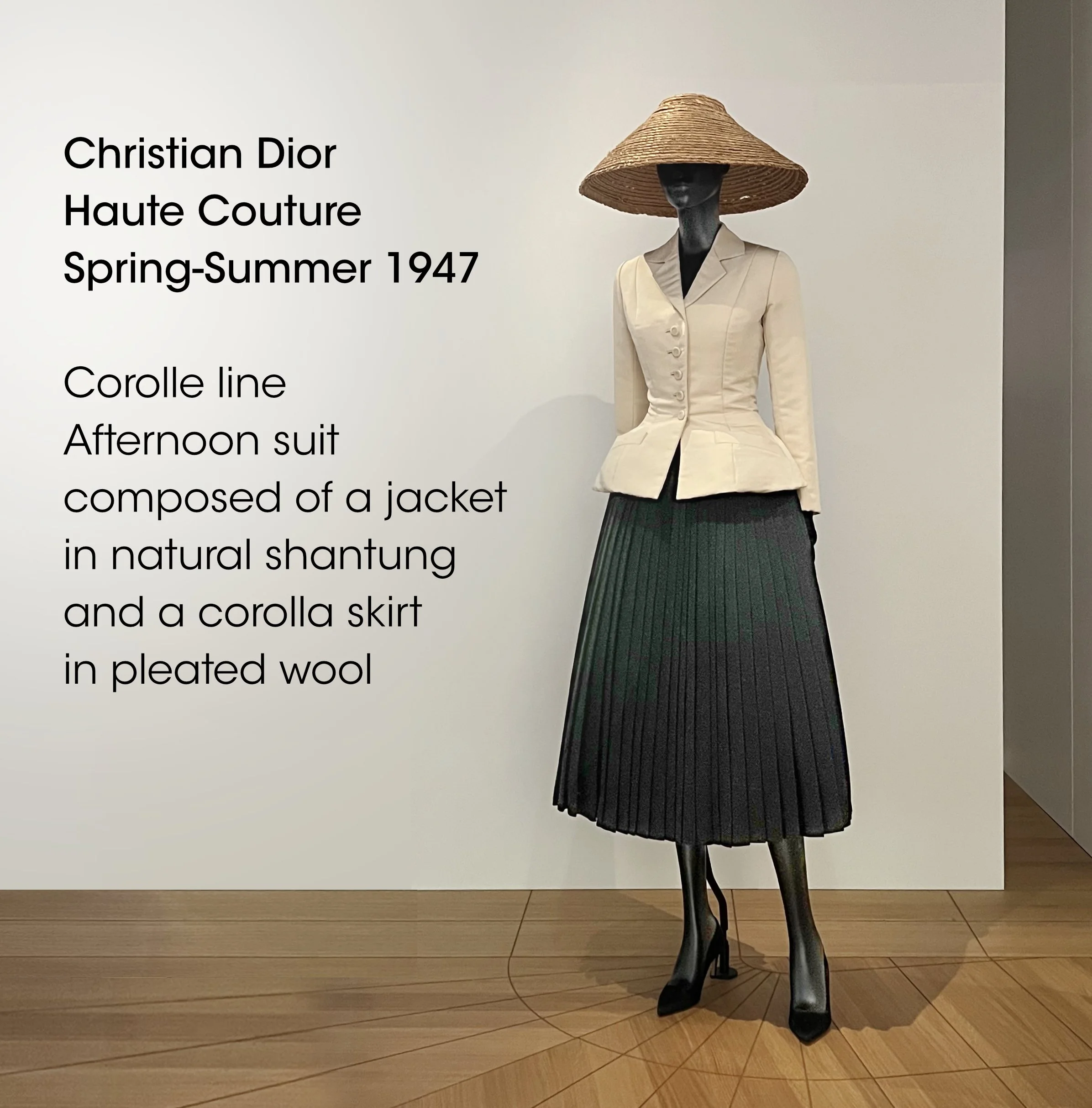
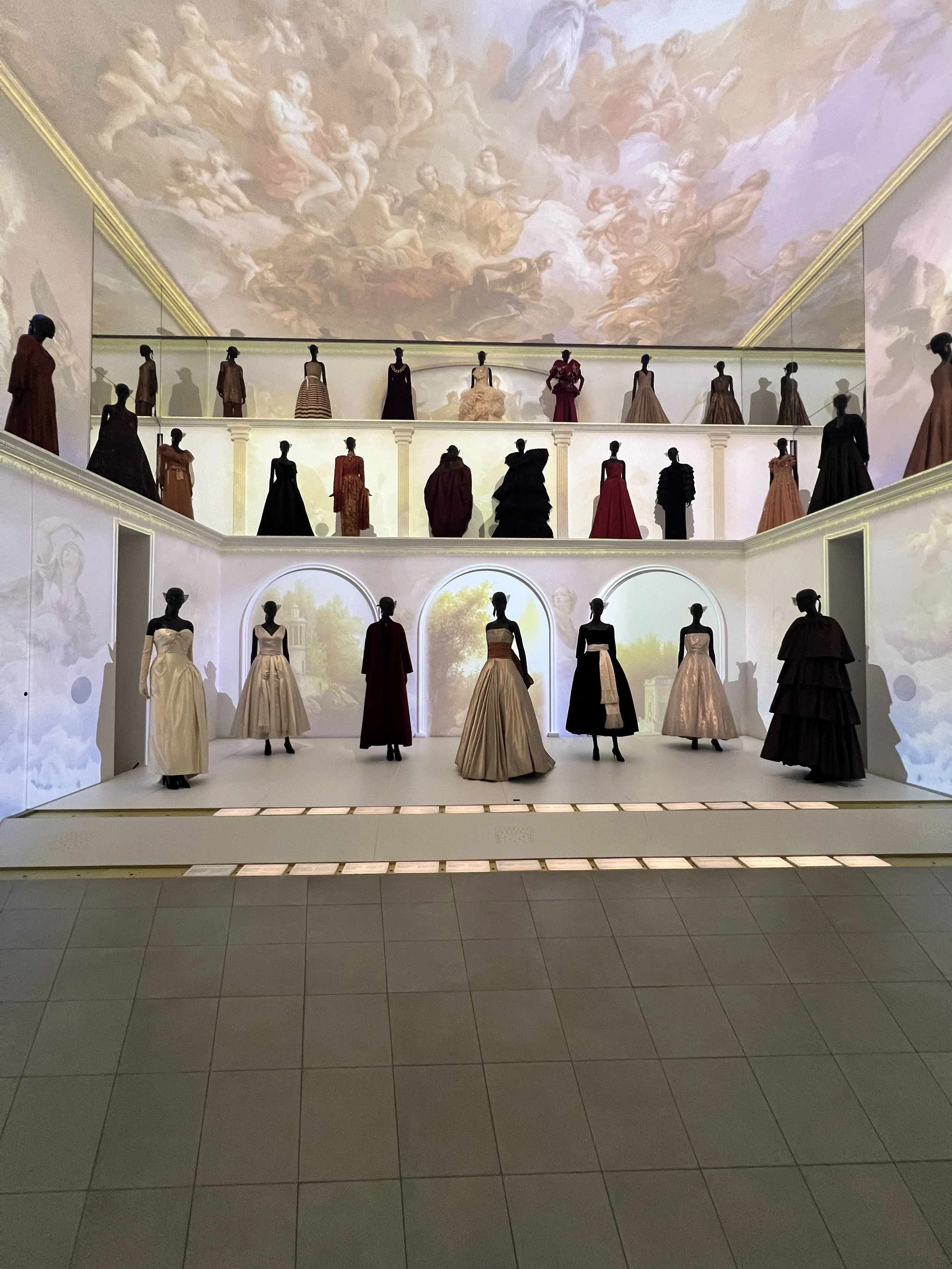
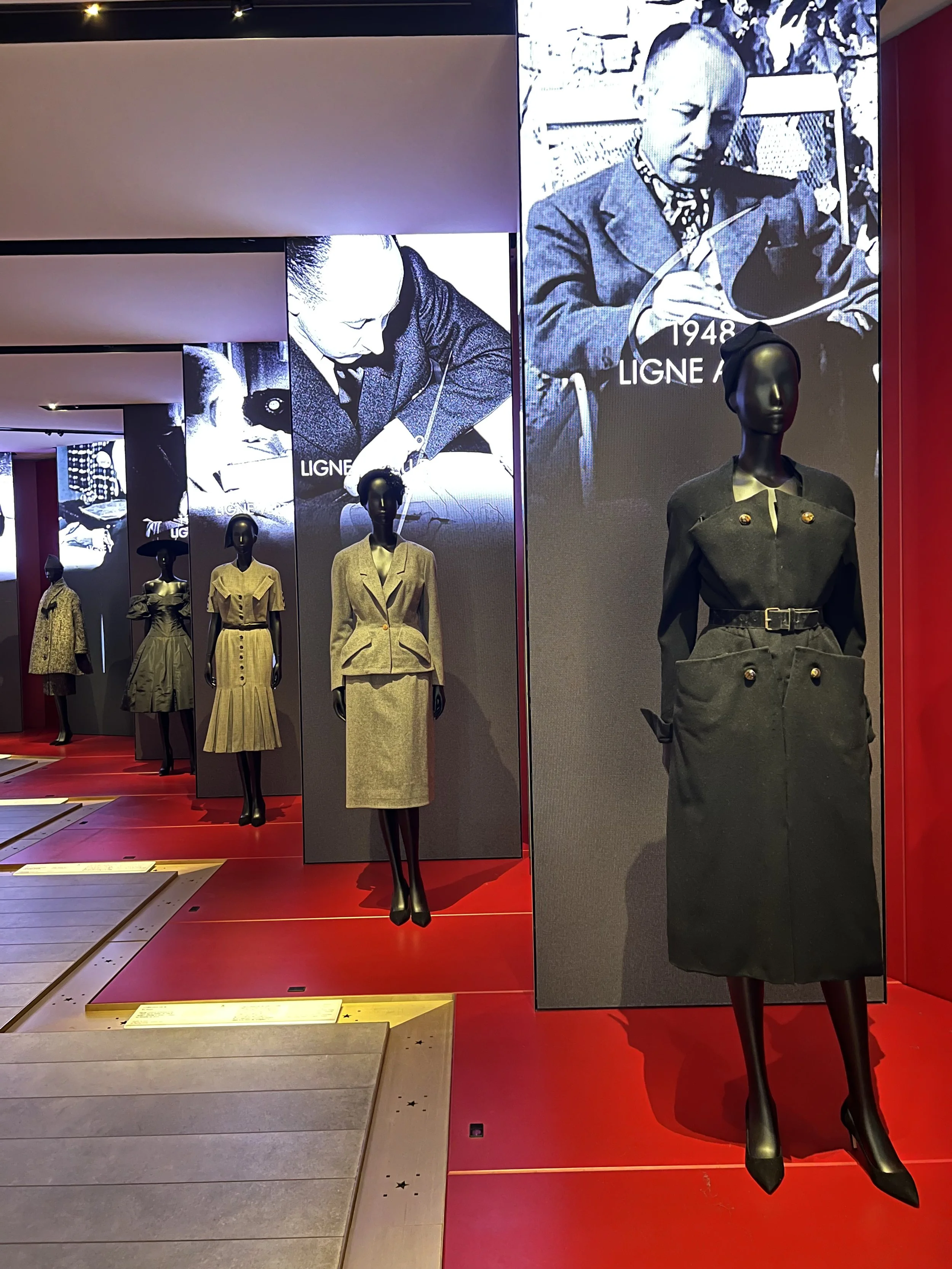
the exhibition follows a chronology of his styles, and you get to view up close numerous examples of his stylish work…
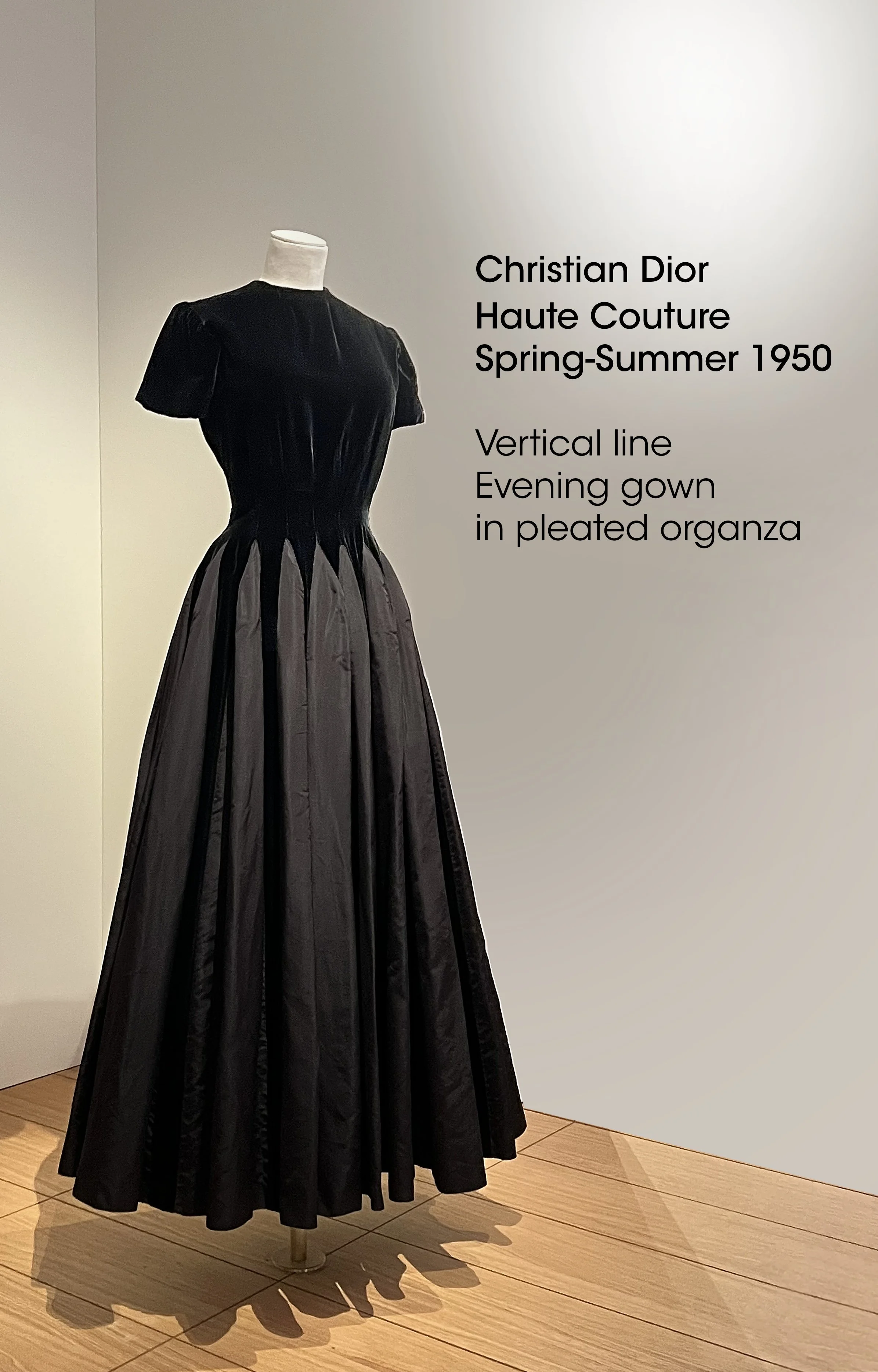
…imagining the time when these dresses, coats, and suits were worn, and seeing the styles change as the world changed.
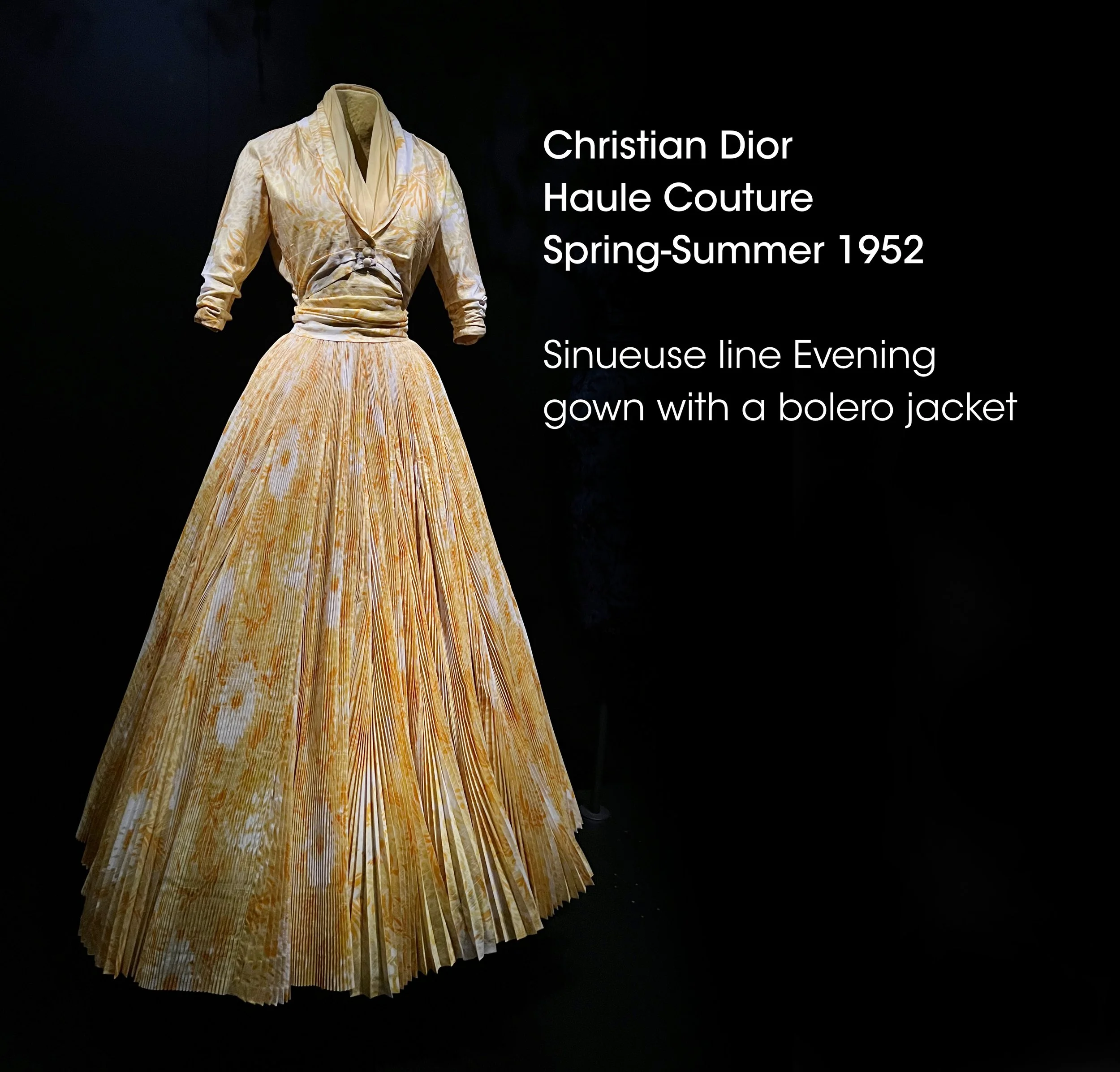
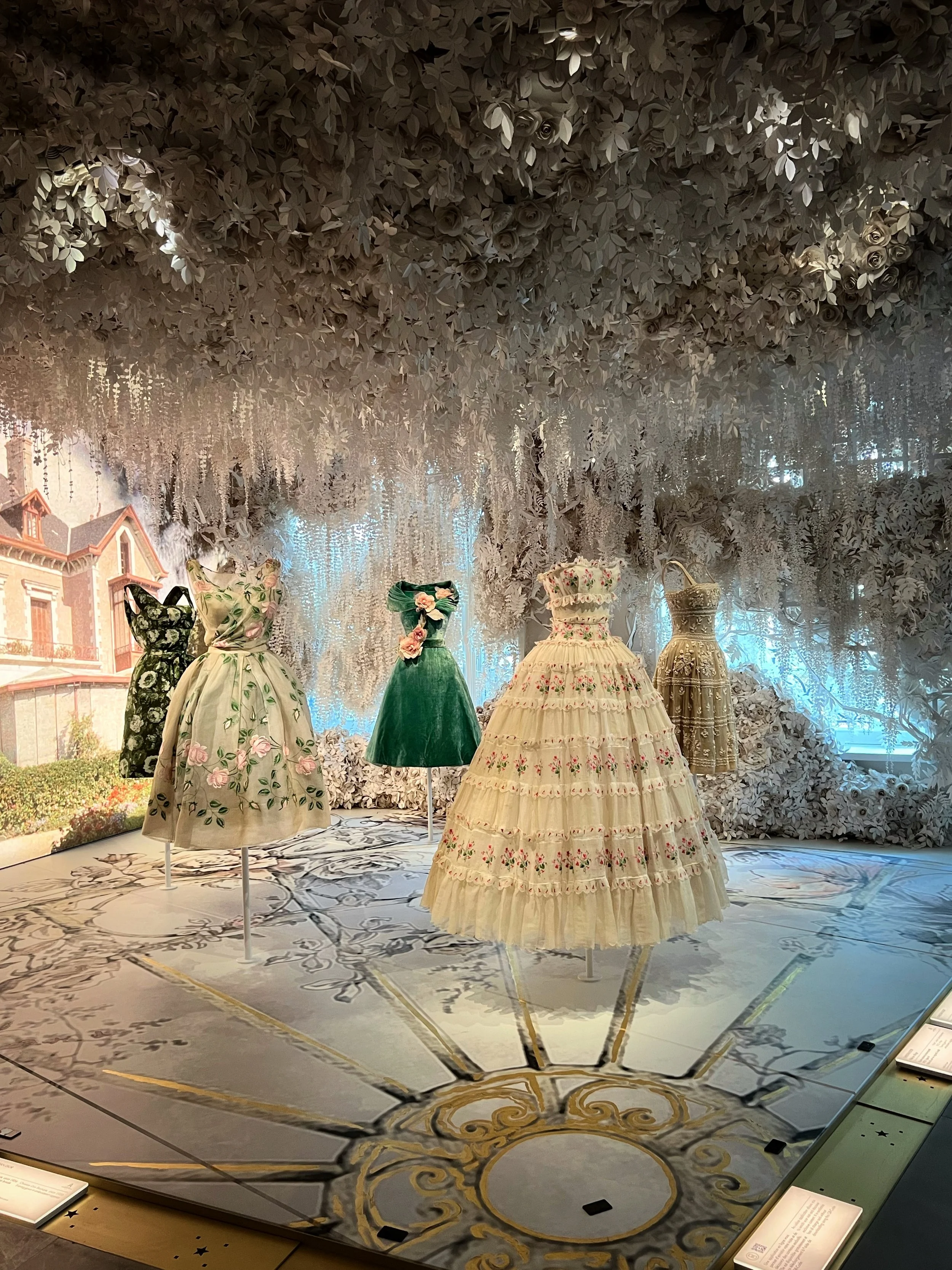
The styles became softer, and more dreamlike. I loved the very feminine approach he had with his ‘Fête au village’ collection.
Haute Couture Spring-Summer, 1955
A-line Evening gown in embroidered organza.
But he also knew how to bring elegance and formality to a suit. this exhibit, compressing how the designs had changed from 1948–1955, demonstrates key elements of his style: tighter waists, softer hips, shawl collars.
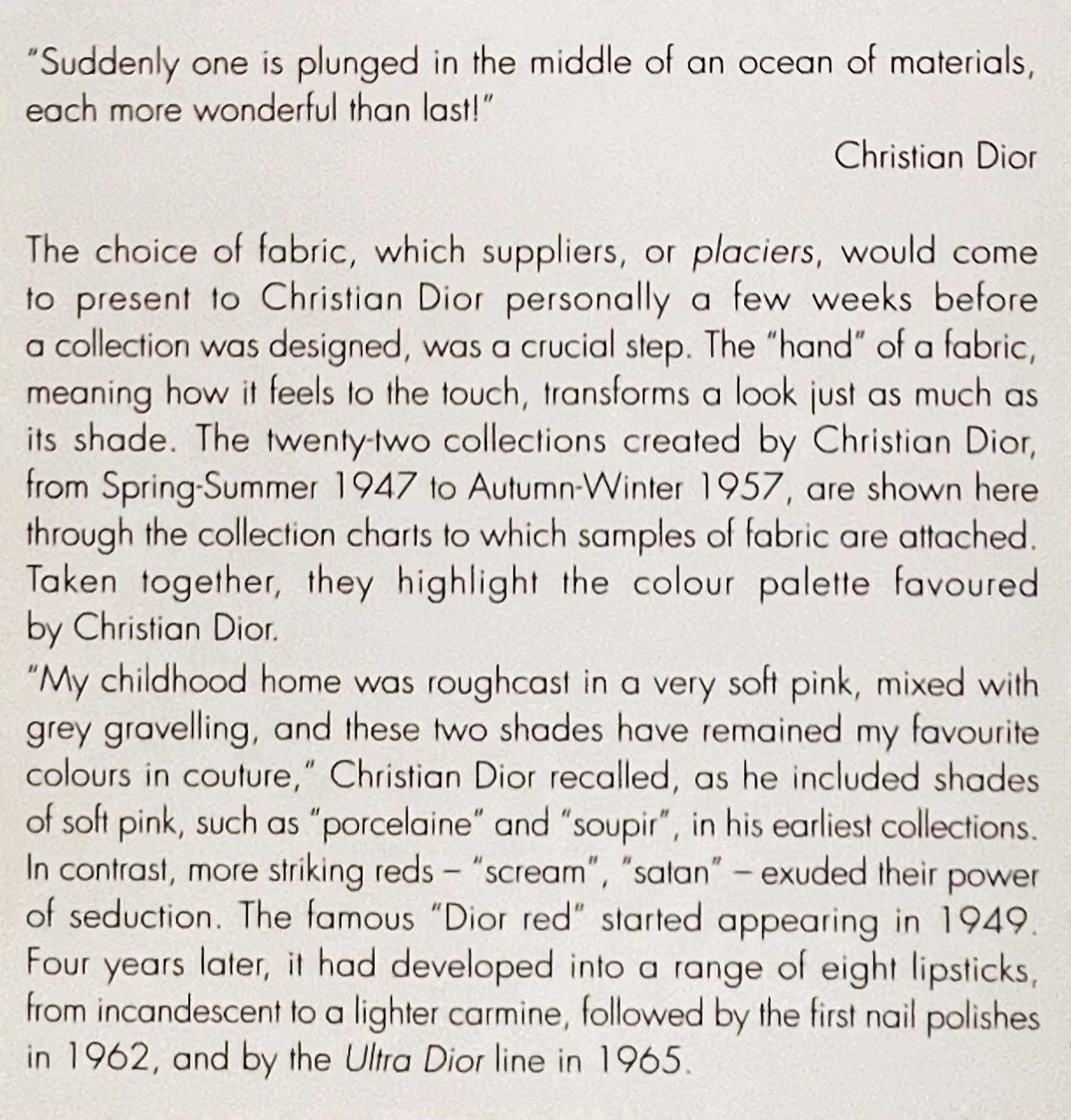
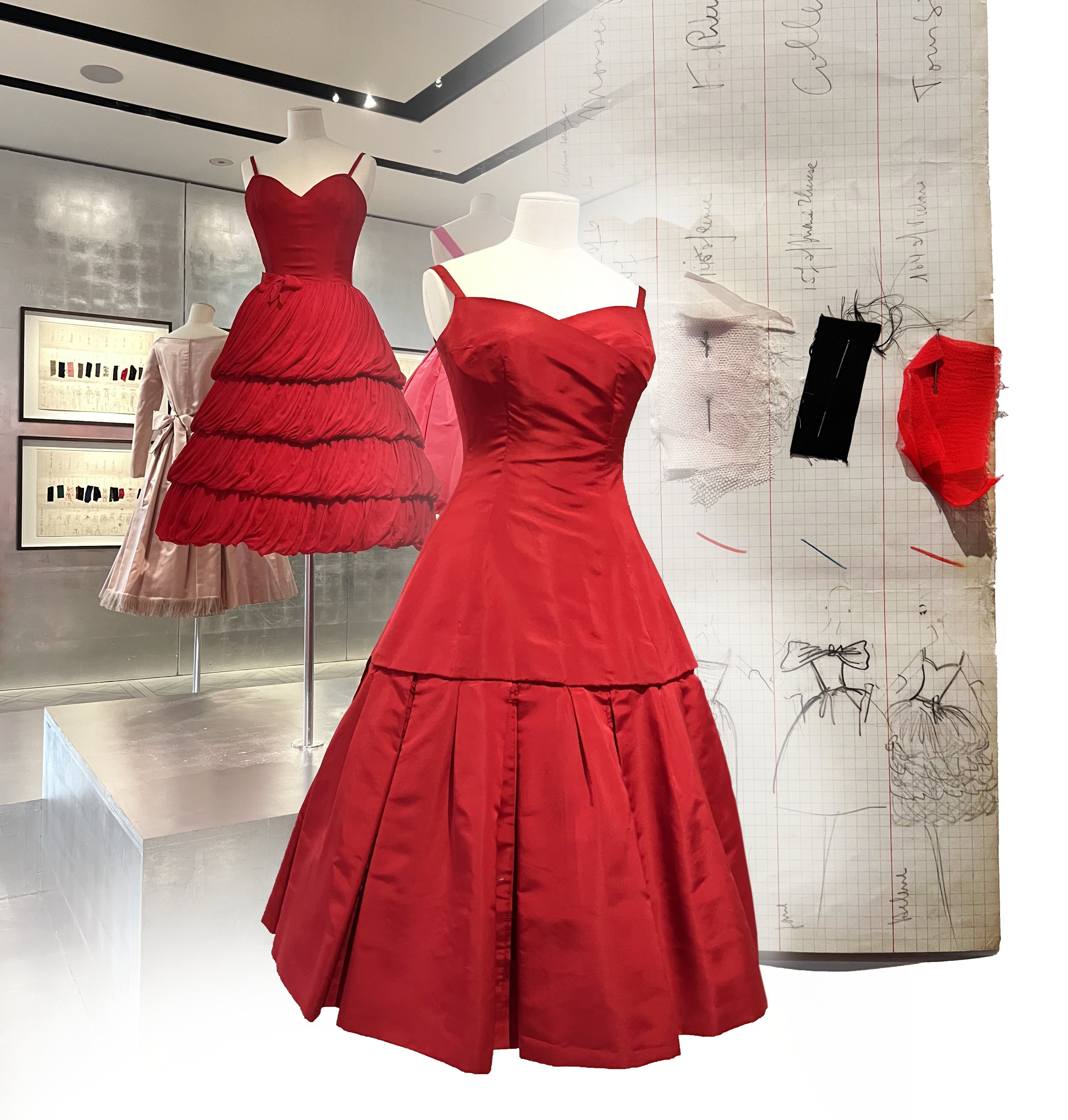
Up to now the exhibition had been quite muted, and I love a bright colour, so I found the next room really exciting. The most beautiful red dresses, and the designs behind them. It was fascinating to see his inspiration coming together on paper, with his briefing notes for his teams. He would make a sketch of the dress, attach a sample of the materials he wanted used, and give it a small description. It was enough for his team to understand what he wanted, he must have been an excellent communicator.
The evolution of the brand is chronicled throughout the gallery, highlighting the continuous development from that first "New Look" in 1947 to the modern designs we see now, and their impact on the fashion world.
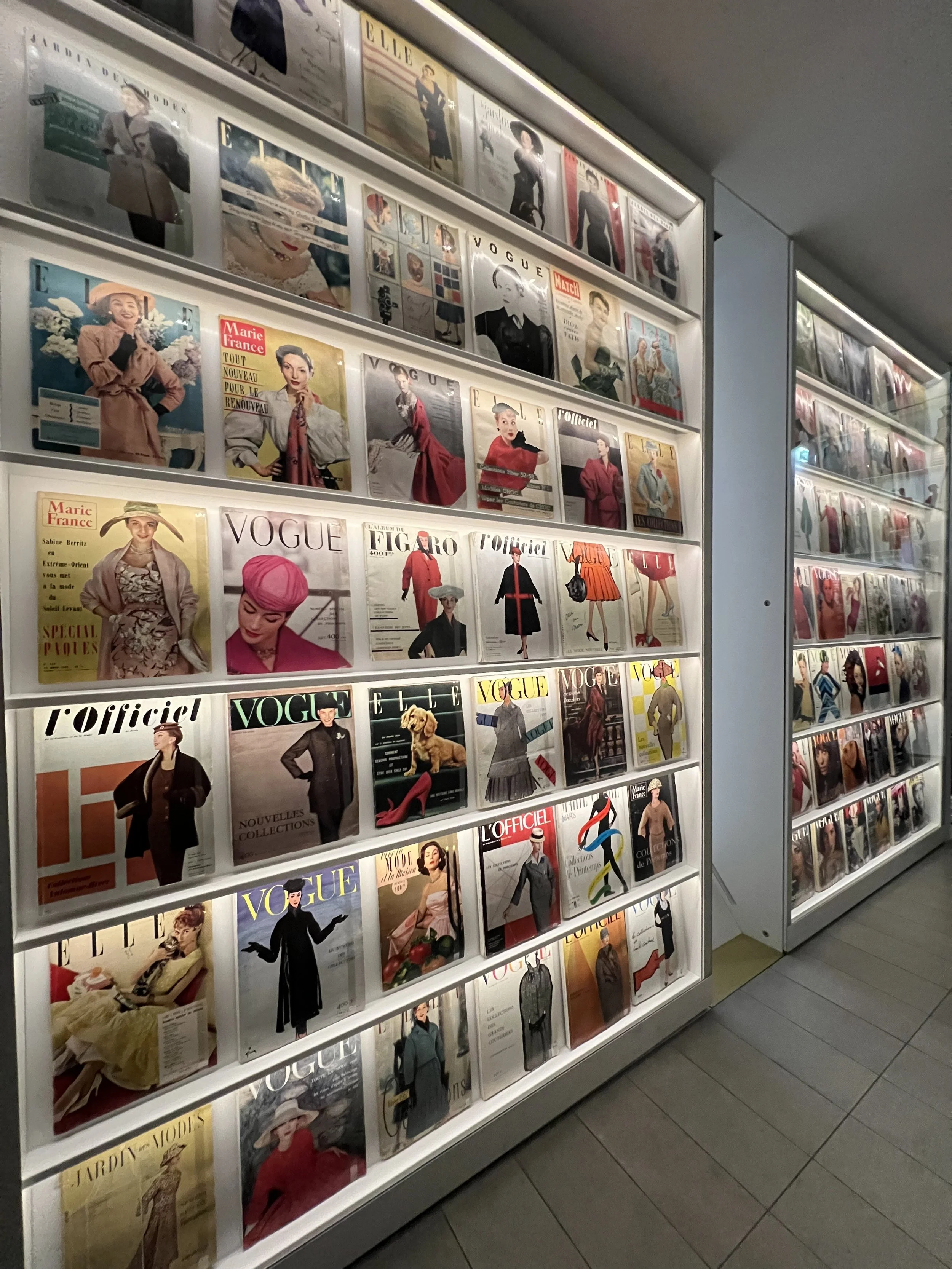
You travel through the years, and see the designers, who took on the legacy of Dior when he died so suddenly of a heart attack in 1957, including: Yves Saint Laurent, Marc Bohan, Gianfranco Ferré, John Galliano, and Raf Simons. They all helped shape the iconic feminine DIOR look over nearly 80 years. Now their designs can be seen on Hollywood actresses, still looking as graceful, feminine and stylish as ever.
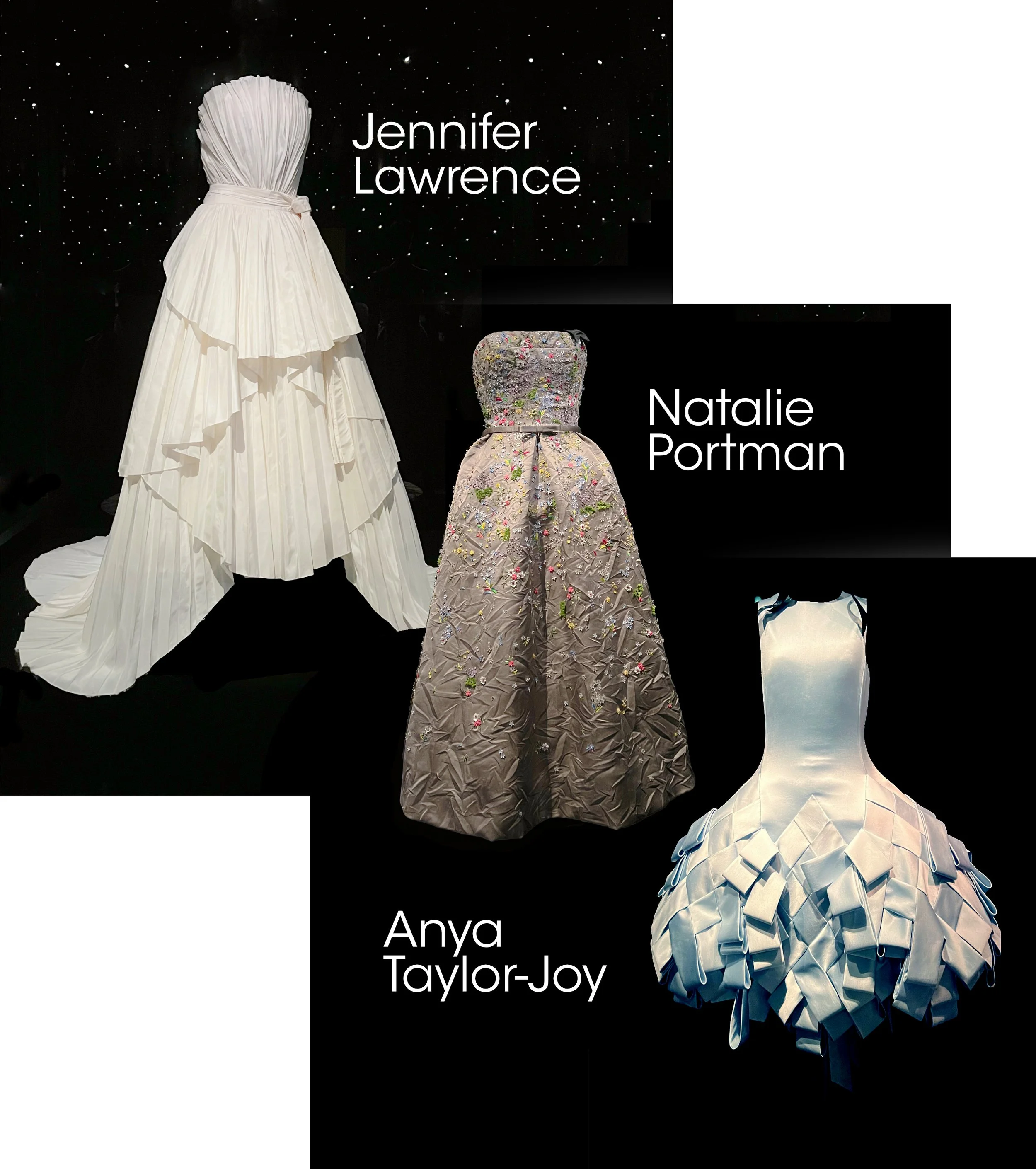
There was so much to see across the three floors, such a worthwhile visit if you have even a glimmer of interest in fashion.